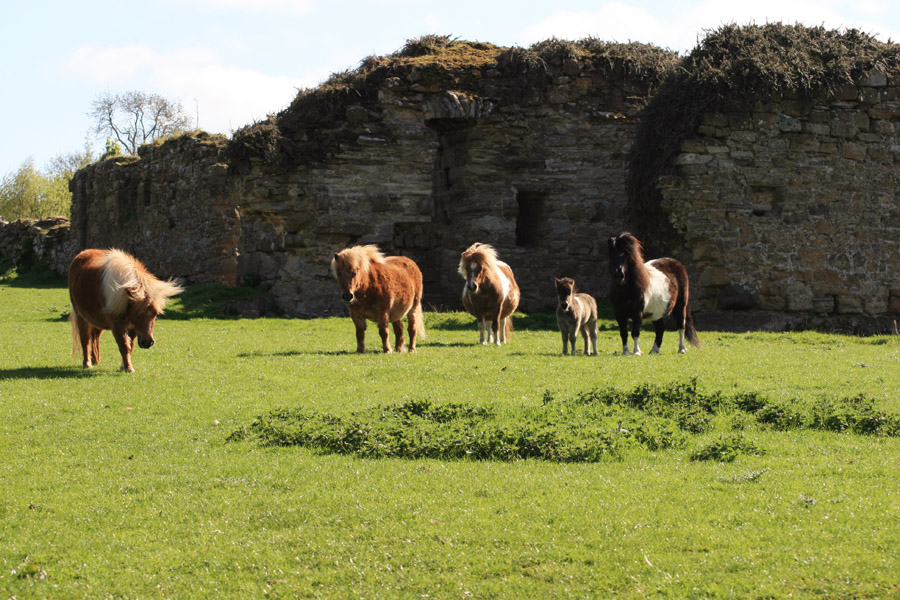
Cousland Castle is thought to have been begun in the late 12th or early 13th century as a strong square keep. In 1215 it came into the possession of the St Clair (Sinclair) family of Roslin.
In 1493 Cousland Castle was granted to William Ruthven, 1st Lord Ruthven, and his wife by Henry Sinclair, 3rd Lord Sinclair. Ruthven may have made improvements to the castle as some of the features were identified in an archaeological excavation in 2008 as being typical of the 15th century. It was probably four storeys in height, with the first storey being vaulted (the remains of which can be seen today).
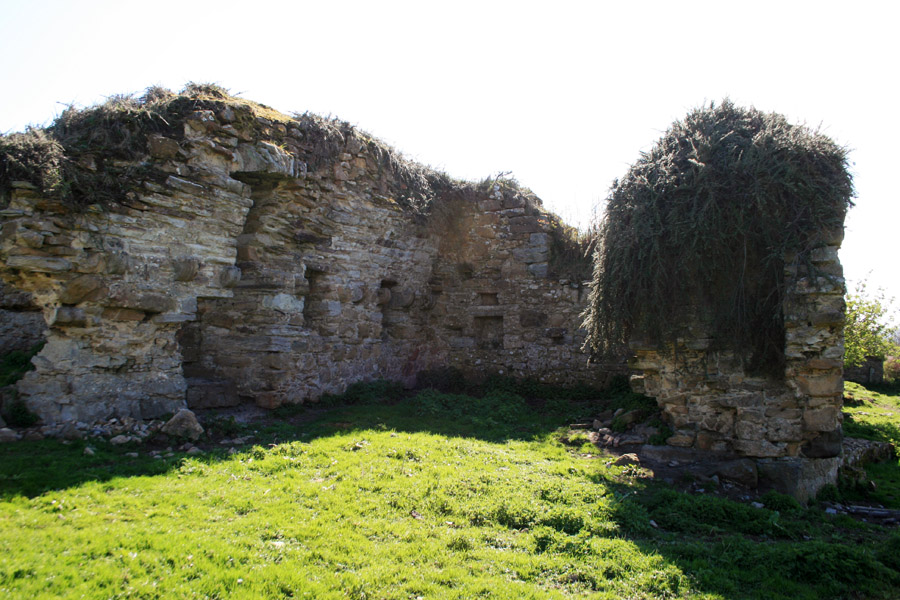
The castle seems to have been burned several times, partly due to its location on a well-travelled route between Scotland and England. In 1529 it was burned by Patrick Charteris as a result of a feud with Lord Ruthven. It has been said that the castle was destroyed by the Duke of Somerset in 1547 following the Battle of Pinkie and in 1549 the English burnt “the Coittes, Nather Cranstoun, Cowslane and Litill Prestoun.”
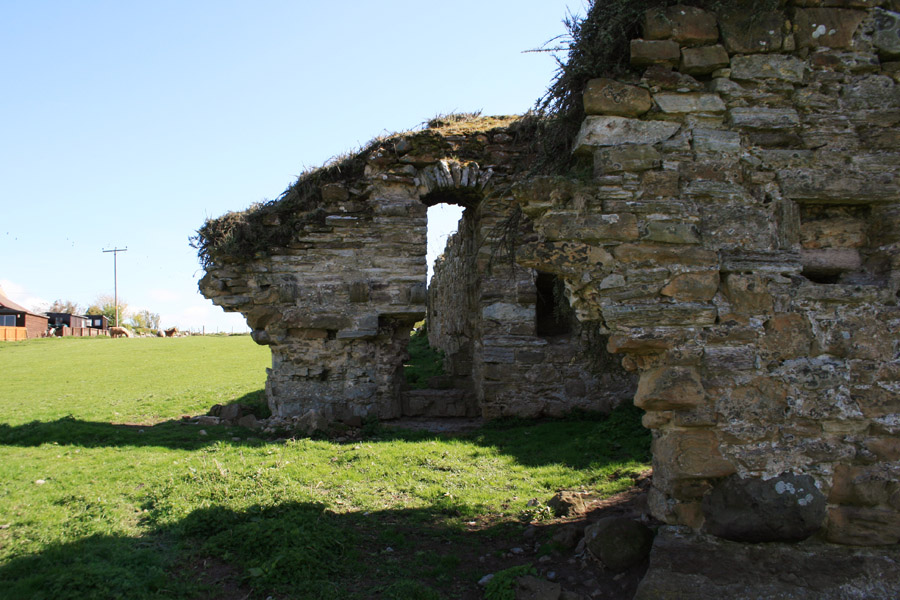
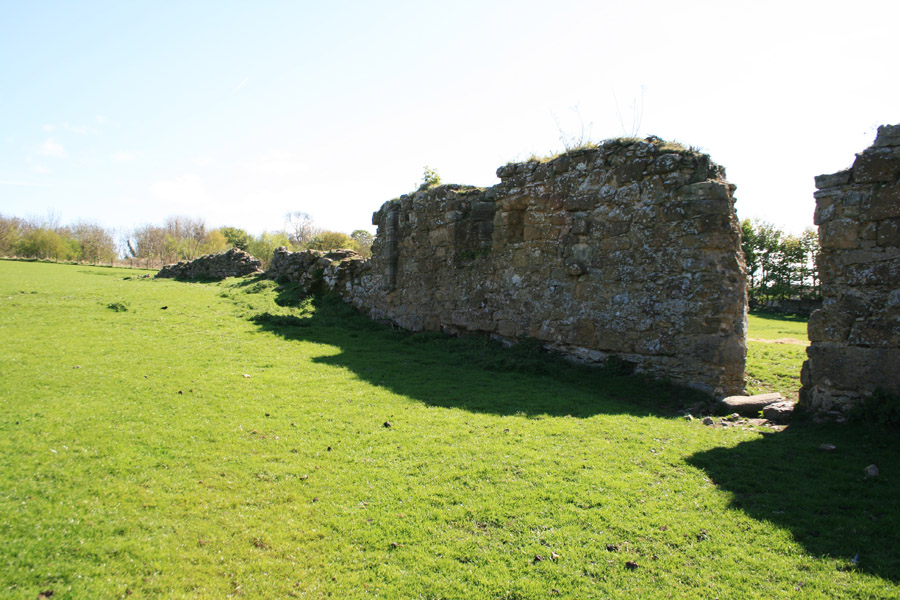
In the mid to late 16th century a building was built against the castle’s south wall. At ground level were two rooms flanking a central stair, with further apartments above. It measured around 10 metres wide by 30 metres long. A section of this apartment block’s wall still stands next to a later doorway into a walled garden.
In 1600 Cousland was forfeited due to the involvement of John Ruthven, the 3rd Earl of Gowrie, in the kidnapping of James VI (the Gowrie Conspiracy), and was granted to Sir Hugh Herries who had come to the King’s aid at the Gowrie House in Perth. However the 1st Earl of Gowrie’s widow, Dorothea Stewart, may have retained possession until her death in 1605.
Cousland passed from the Herries family briefly to the Hays of Kinnoull, before passing to Sir James Makgill in 1639, who was created Viscount Oxfuird and Lord Makgill of Cousland in 1651.
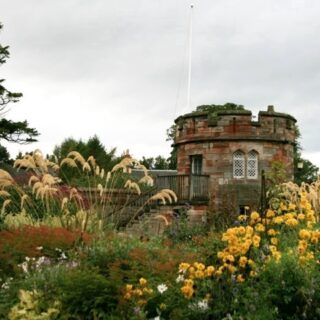
Around 1690 Cousland Castle became the property of John Dalrymple, the 1st Earl of Stair, who made various improvements, including building a windmill, smiddy and a walled garden, using in part stone robbed from the ruins of the castle.
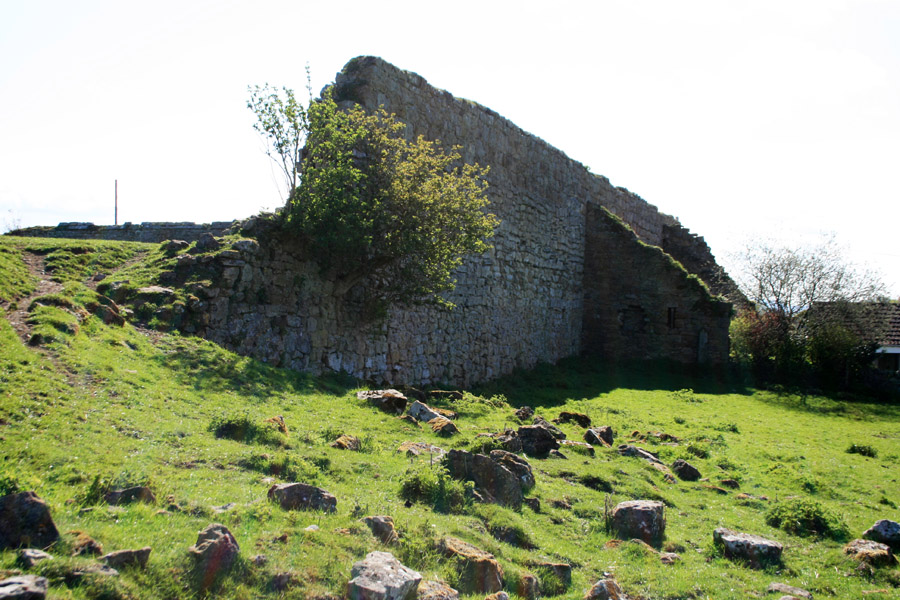
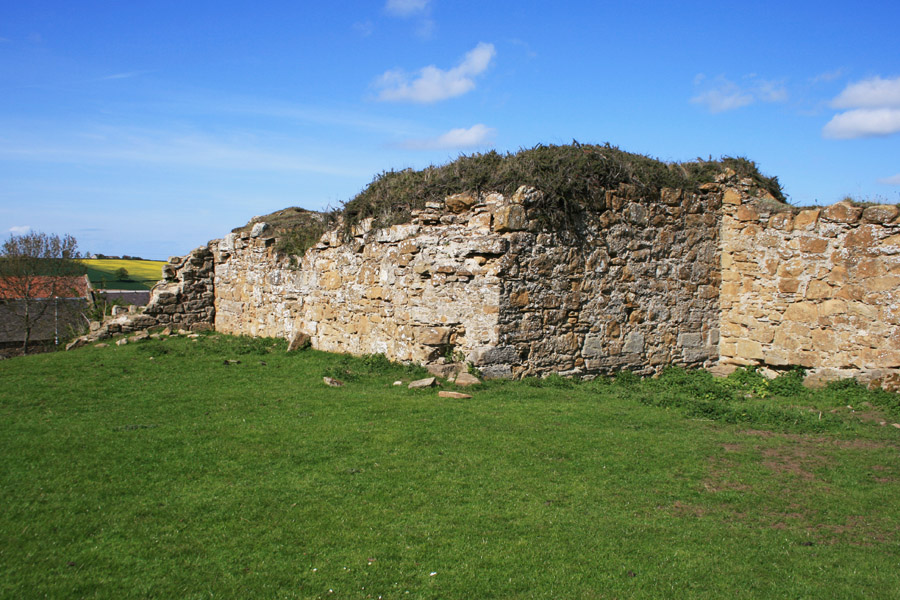
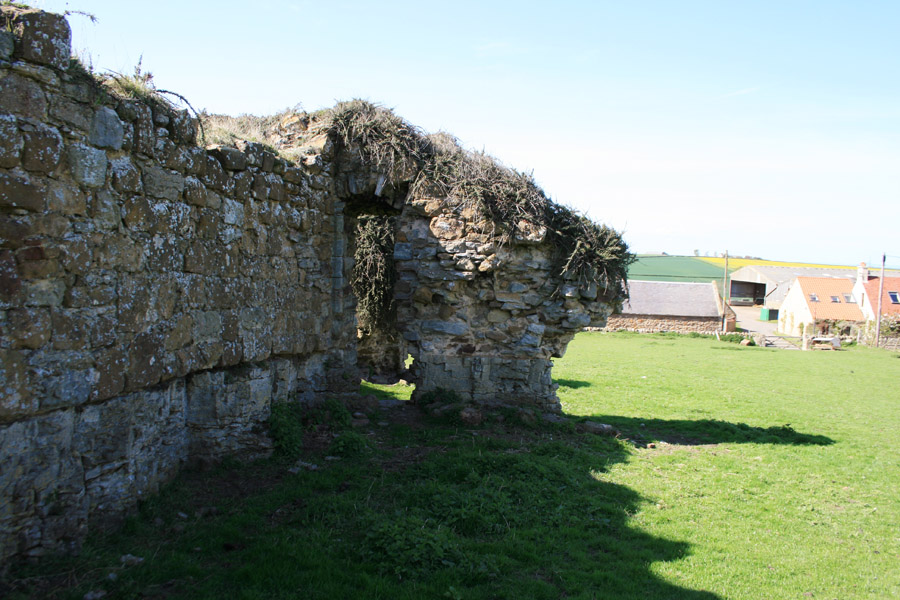
Today the site occupies a field within Cousland village, and the remains of the ground floor of the castle, one wall of the mid 16th century apartment block, and the 18th century walled garden can still be seen.



Alternative names for Cousland Castle
Cousland House; Cousland Tower; Cowsland; Cowslane