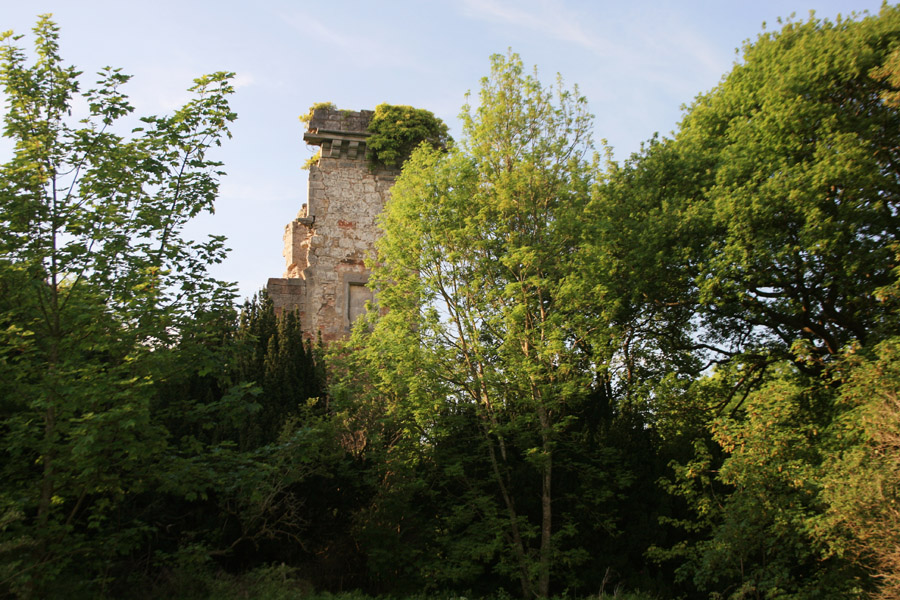
Elphinstone Tower is an early 16th century tower house which is now in ruins.
The lands of Elphinstone were originally part of the lands of Erth or Airth which were granted by David I to the Abbey of Holyrood in 1128. By the end of the 12th century the lands were owned by the d’Erth family and in the 13th century Erth was subdivided into Erth, Elphinstone, Carnock and Plane.
The lands passed into the Elphinstone family in the second half of the 14th century upon the marriage of Alexander Elphinstone of Elphinstone to Agnes Airth. Elphinstone Tower was built in 1504 for Sir John Elphinstone of Elphinstone and was the main residence of the barony of Elphinstone. The tower is rectangular in plan, measuring 9.0m east to west by 7.4m north to south. The walls are around 1.8m thick on three sides, and around 1.5m thick on the east side.
It consisted of four storeys, each containing one room, and rose to a height of 17.4 metres. Originally it would have been possible to see Clackmannan Tower, Alloa Tower and Stirling Castle from the top of Elphinstone Tower.
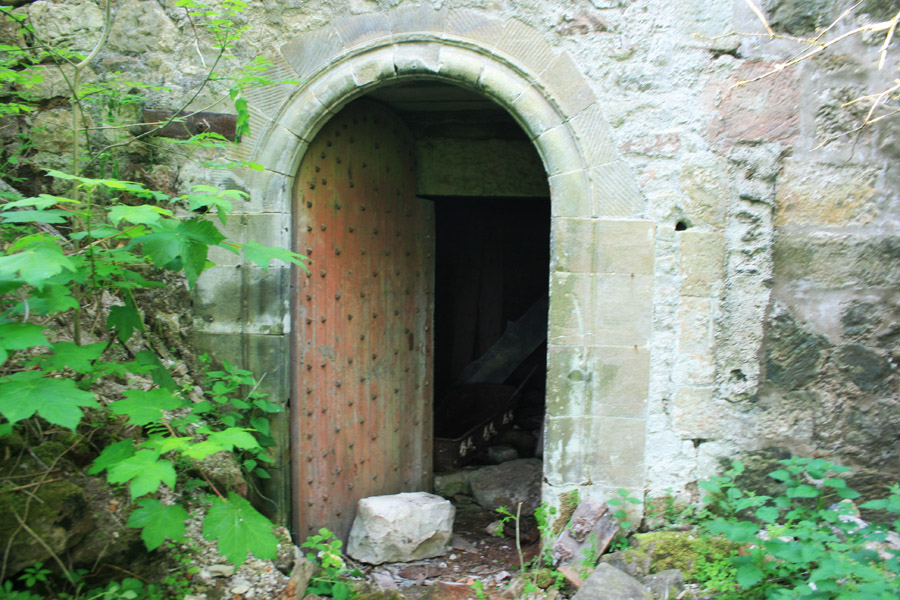
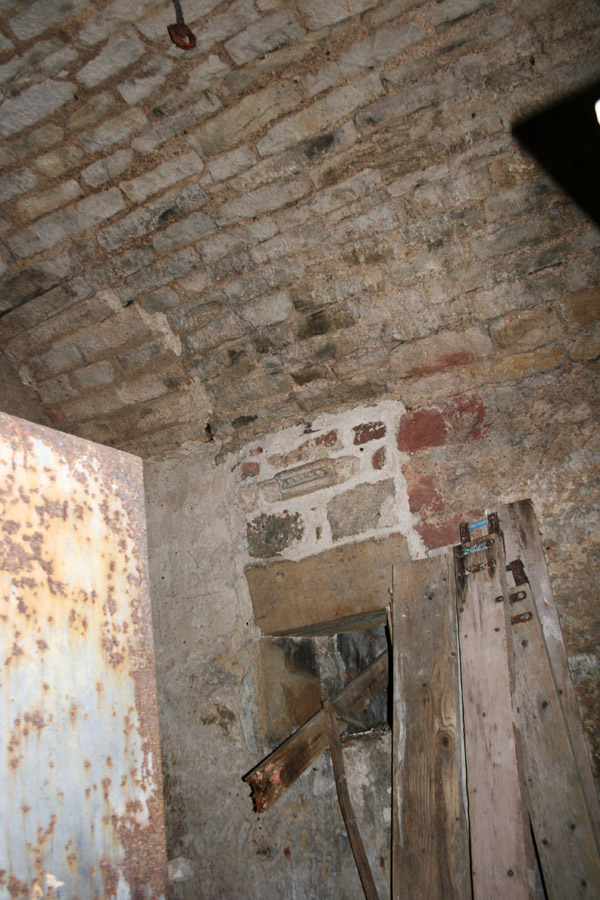
The ground floor features a high barrel-vaulted ceiling. There is now a doorway in the south wall, but originally this room would have been accessed internally via a wooden stair.
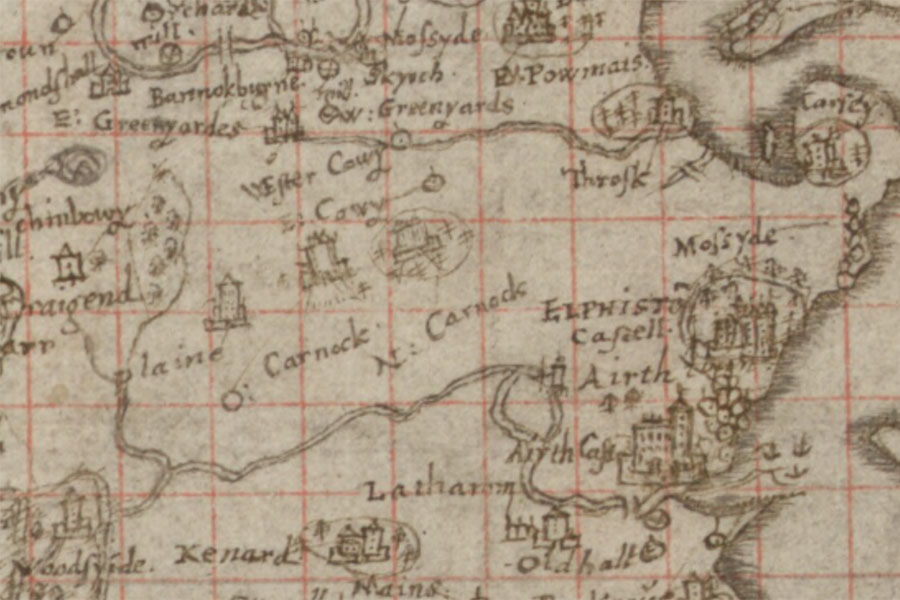
Timothy Pont, c. 1583 – 96map image courtesy of NLS
Some time before 1681 Plane Castle passed to the Elphinstone family.
In 1754 William Murray, the 3rd Earl of Dunmore, bought the tower and the surrounding lands, renaming them Dunmore in 1758. Between 1820 and 1822 George Murray, the 5th Earl of Dunmore, built the nearby mansion of Dunmore Park House, and the old settlement of Elphinstone which existed around the tower was cleared as part of the estate improvements.
Not long after this time the Murrays began to use the ground floor of Elphinstone Tower as a family mausoleum, having built St Andrew’s Episcopal Church next to the tower in 1845. Also in the 19th century (and possibly at the same time that Dunmore Park House was being built) additions were made to the tower, including battlements and a round turret capped with a pointed conical roof above the south west corner.
In 1962 or 1963 there was a major collapse at the tower, with most of the west side falling. The church was demolished at this time – possibly due to being damaged by falling masonry – but the remains of the tower were left. In 1968 the estate was split up and sold, and since then Elphinstone Tower has had a number of owners with various plans for restoration, but nothing has come to fruition.
In 1998 the Murray coffins were disinterred and moved to Blair Atholl (home to the Murray seat of Blair Castle).
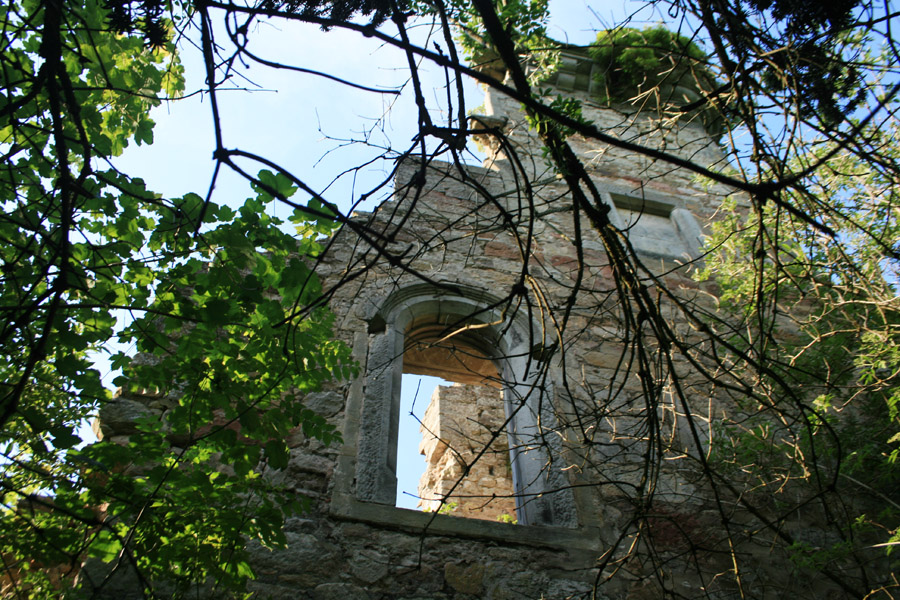
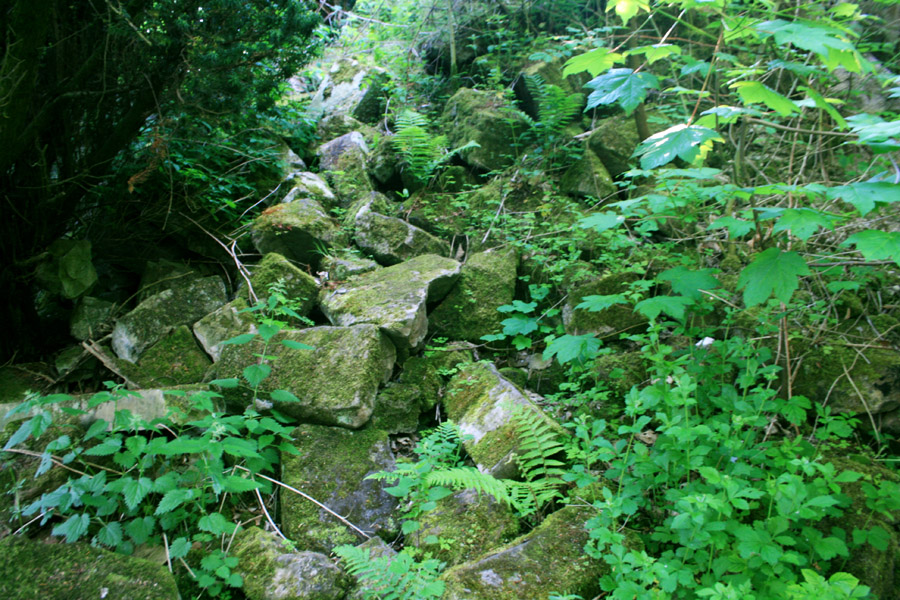
The tower is now in a sorry state, almost hidden from view by overgrown trees and bushes. The eastern section still stands to its original height, but the rest has fallen, and a pile of old stones lies next to the doorway in the south wall.


Alternative names for Elphinstone Tower
Airth-Chalmerlane; Airthbeg; Arht Chalmerlane; Arthbeg; Dunmore Park Tower; Dunmore Tower; Elphingstoun; Elphingstoune; Elphinstone House; Elphiston Castell; Elphistoun Castell; Erthbeg; Erthbey