Stravaiging around Scotland
Scottish castles
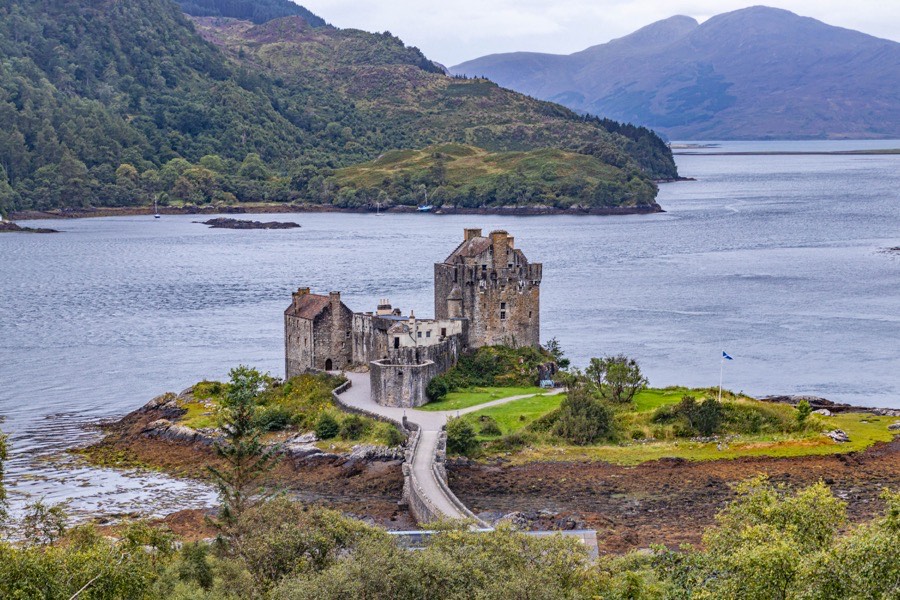
Scotland is famous for its castles, of which there were thought to be around 3000. Many have been restored, some stand ruined, while others have disappeared altogether.
Ranging from small towers to sprawling country mansions, there are castles of all shapes and sizes. You can learn more about Scotland’s castles here.
Pictish history
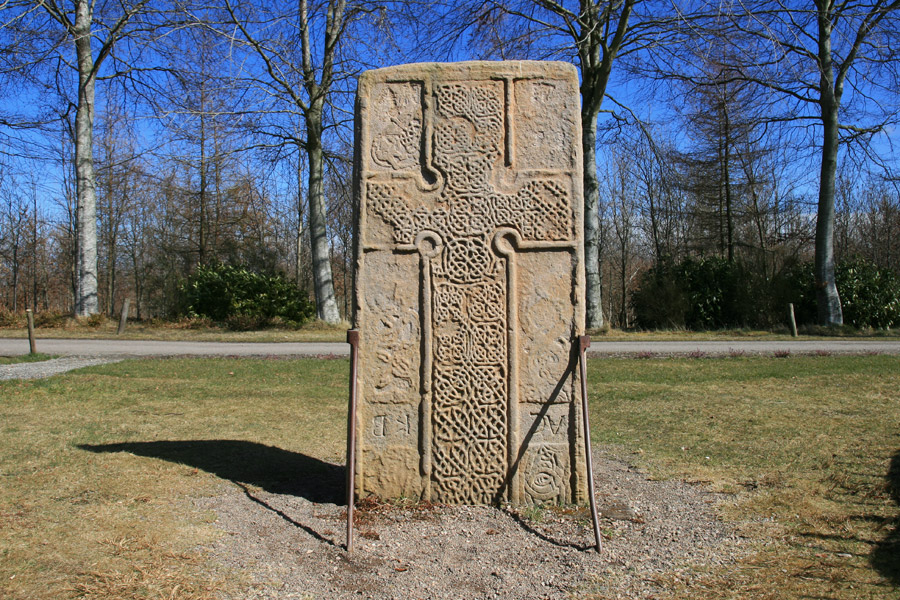
The Picts were the enigmatic inhabitants of what is now Scotland from around the beginning of the 1st century until around the middle of the 9th century AD.
With none of their written records surviving, much of what is known about the Picts derives from the hundreds of carved stones that they left as their legacy. Read more here.
The blog
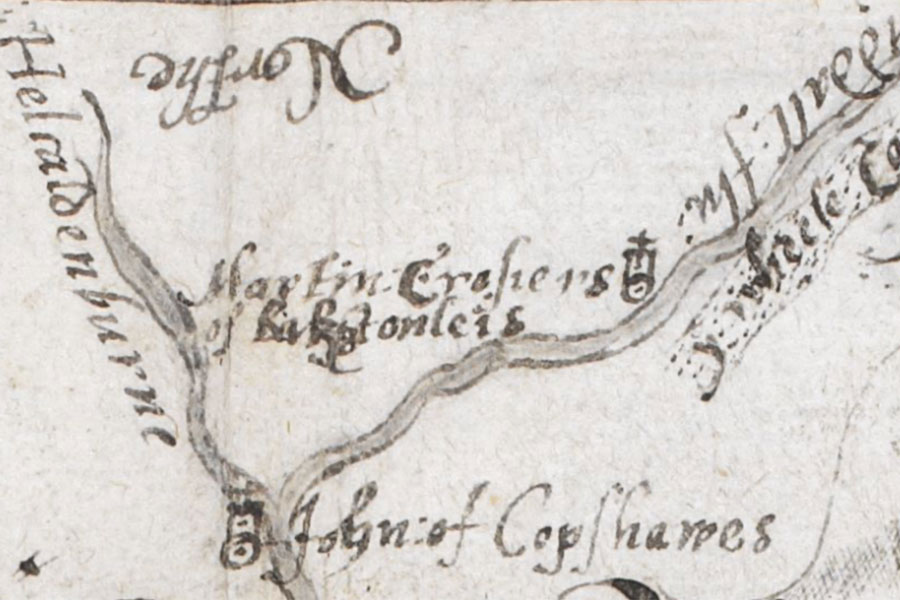
Join us on our travels around Scotland as we seek out the most interesting places and go in search of castles, coffee and cake.
Our journeys have taken us all over Scotland, from north to south and across to the islands, as we explore this wonderful country which has so much to offer despite its relatively small size. Check out the latest blog post here.
Ancient history
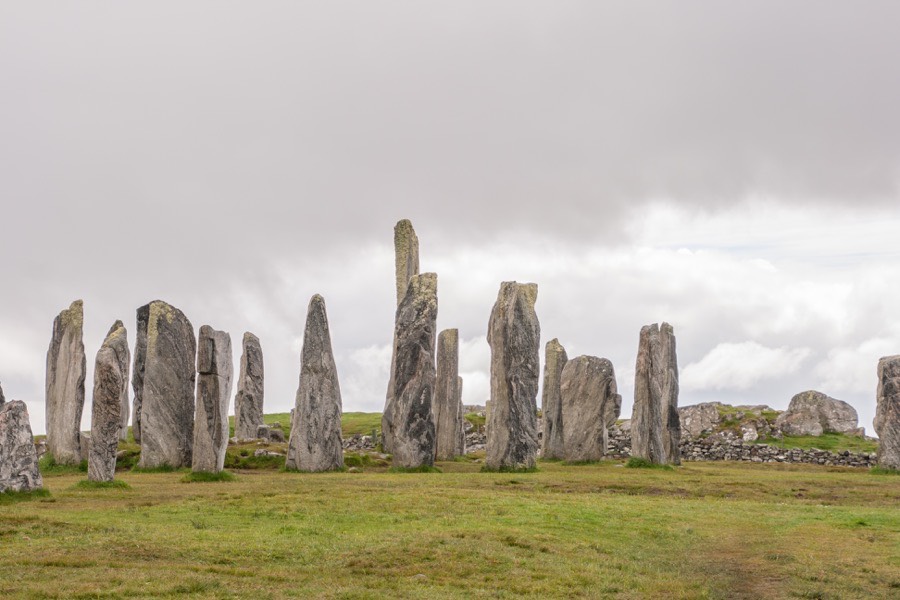
Scotland is rich in ancient sites, with thousands of monuments including standing stones, stone circles and cairns.
Skara Brae on Orkney is Europe’s most complete Neolithic village, and is older than the Great Pyramids and Stonehenge. These early settlements were followed later by forts, souterrains and brochs.
Scottish beer
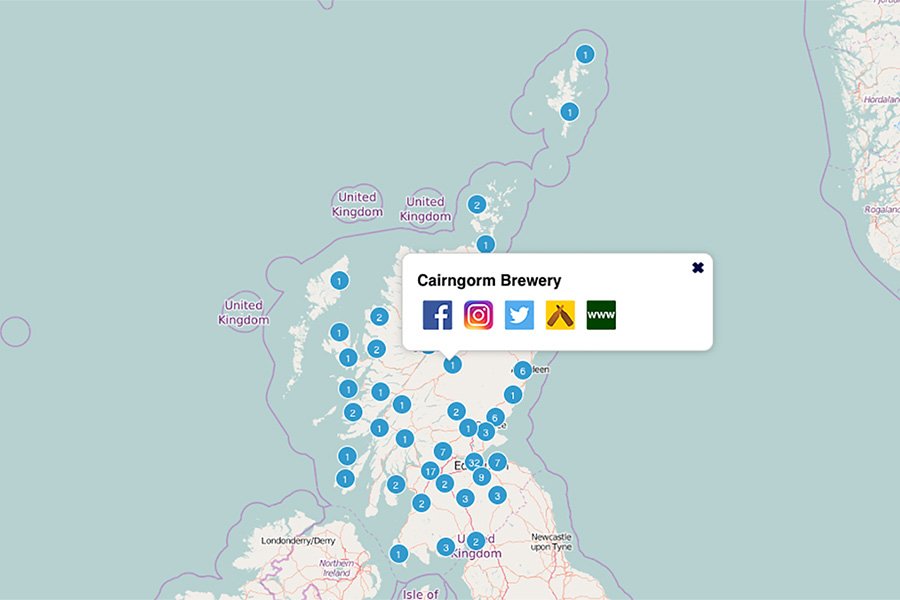
There are more than 140 breweries in Scotland, producing real ale, craft beer and mass market brews.
Come and explore the hundreds of beers they produce between them, from light to dark, traditional to experimental.
City guides
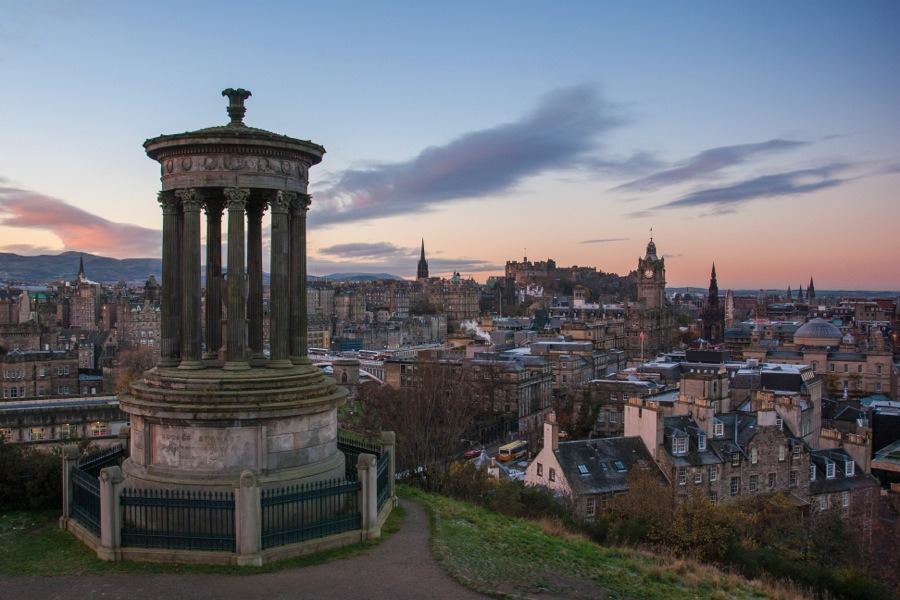
We’ve put together handy guides to Scotland’s major cities to help you get the best out of them.
Detailing the best places to stay, they take the guesswork out of planning your visit. Start your journey here
Scotland’s clans
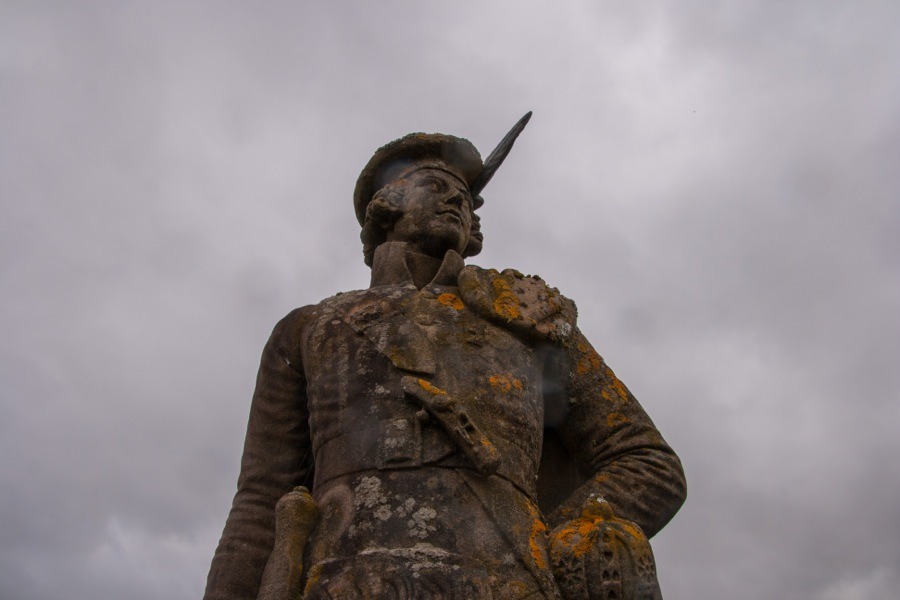
Traditionally in each area there was a prominent family, or clan, whose head became the chief and offered protection and security to relatives and neighbours.
The word “clan” comes from the Gaelic word clann meaning “children”, the chief being the head of an extended family. Search Scotland’s clan names and surnames here.
Pictish placenames
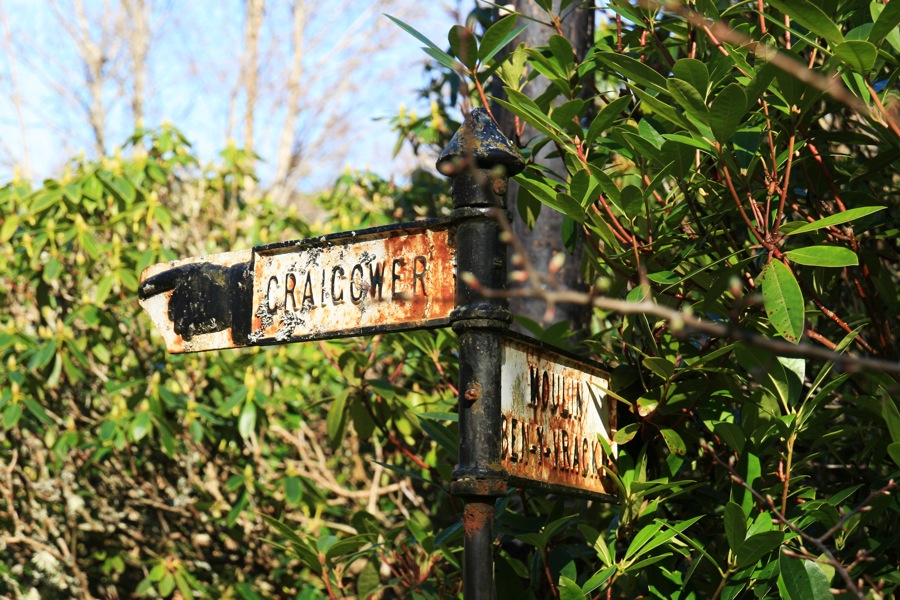
Scotland’s placenames are derived from a number of languages, and while the majority are Gaelic in origin, others come from Pictish, Old Norse, Old English and of course Scots.
Population movements through the centuries, corruption over time and political developments have left a rich tapestry of descriptive names. Learn more here.
Latest additions
Latest castles
- Ardlamontcastle in Argyll
- Moorfootcastle in Midlothian
- Milsholm Towercastle in Roxburghshire
- Braidlie (site of)castle in Roxburghshire
- Larriston Tower (site of)castle in Roxburghshire
- Denmuir (possible) (site of)castle in Fife
- Usan Tower (site of)castle in Angus
- Southfield (site of)castle in Roxburghshire
- Balkail (site of)castle in Wigtownshire
- Genoch (site of)castle in Wigtownshire
Latest ancient sites
- Loch Monzievairdcrannog in Perthshire
- Midmar Kirk stone circlestone circle in Aberdeenshire
- Sunhoney stone circlestone circle in Aberdeenshire
- Inchgall (possible)crannog in Fife
- Steinacleit (possible)chambered cairn in Ross and Cromarty
- Loch an Dùinbroch in Ross and Cromarty
- Clach Steineagaidhstanding stone in Inverness-shire
- Loch an Dùnabroch in Ross and Cromarty
- Buchaamsouterrain in Aberdeenshire
- Eilean nam Faoileag (possible)crannog in Sutherland
Latest Pictish stones
- Belivat (possible) Class I symbol stone
- Loch Kinord cross slab Class III cross slab
- Dalnavie Class I symbol stone
- Ardross Class I symbol stone
- Clach an Tiompain Class I symbol stone
- Old Kilmadock 2 Class I symbol stone
- Old Kilmadock 1 Class II symbol stone
- Glenferness House Class II cross slab
- St Peter’s Church Class I symbol stone
- Redland Class I symbol stone